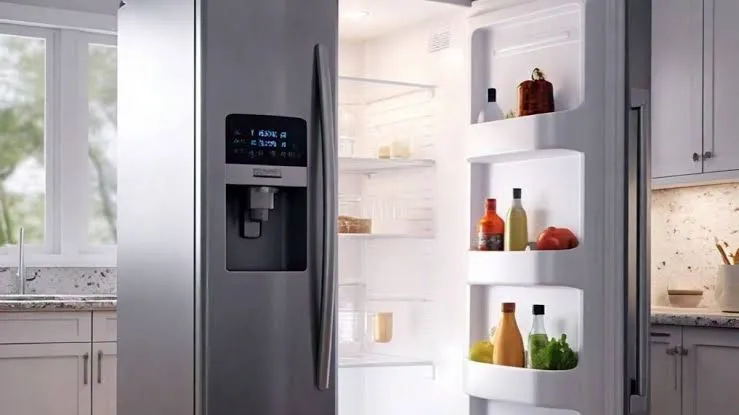
A light chill has started to be felt during the morning and night timed. In this season, people pack away their air coolers and air conditioners. But when it comes to the fridge, most people continue to run the fridge on the same temperature setting in winters as they do in summers. As a result of this, milk, curd and vegetables kept in the fridge start becoming excessively cold and begin to freeze, spoiling their natural taste. Additionally, due to more load on the compressor the electricity bill also increases. So let us know at what temperature the fridge should be operated in winters.
At What Temperature to Run the Fridge
For fridges with a digital display, keeping the main compartment temperature between 3 and 4 degrees Celsius, and the freezer temperature at around minus 18 degrees Celsius is considered ideal. On the other hand, for fidges with a knob, the larger the dial number, the higher the cooling. Therefore, during the winter, the regulator should be set to 1 or 2. Setting it to the 'minimum' or 'winter' mode is also absolutely correct.
Disadvantages of Running the Fridge at the Wrong Temperature
Due to Excessive cooling the moisture inside green leafy vegetables and tomatoes etc, starts turning into ice; which makes them look wilted and soggy when taken out. Cooked food also becomes extremely cold. Apart from this, despite it being cold outside keeping the fridge on high cooling causes the compressor to turn on repeatedly which increases both power consumption and the electricity bill.
Should the Fridge Be Turned Off in Winters?
When severe cold sets in, many people switch off the fridge to save electricity. But according to experts, doing so can be harmful. When the fridge remains off, the air circulation inside stops, which can cause moisture, fungus, or a strange odor. In addition, keeping the fridge off for a long time causes the cooling gas and oil inside the comperssor to freeze, which increase the risk of comperssor damage or gas leakage when the fridge is turned on later.
Refrigerator Guide: At What Temperature Should You Run Your Fridge In Winter?
TheFearless
21 Oct 2026 · 5:45 PM IST
Related Stories