India’s 2-2 draw in the five-match T20I series against the West Indies has exposed several concerns ahead of the upcoming New Zealand tour. Despite having a strong batting line-up on paper, India struggled to turn promising performances into consistent results. The final match in Bengaluru was abandoned due to rain, leaving the series level. India scored 118 for five in 7.4 overs in the shortened game, but the match could not be completed. The bigger concern is not the result itself, but the questions raised about India’s bowling options, middle-order roles and finishing ability.
Fast Bowling Depth Under Pressure
India’s decision to bring veteran pacer Bhuvneshwar Kumar back into the playing XI for the series decider has raised questions about the depth of the fast-bowling attack. At 36, his return was a notable moment, but it also highlighted the team’s search for reliable pace options. Mayank Yadav offers genuine speed, yet consistency remains a concern. He conceded 52 runs in the fourth T20I in Hyderabad and was left out of the decisive match. With New Zealand conditions expected to offer assistance to fast bowlers, India will need pacers who can take wickets as well as control the scoring rate.
Captain Shreyas Iyer Admits Bowling Concerns
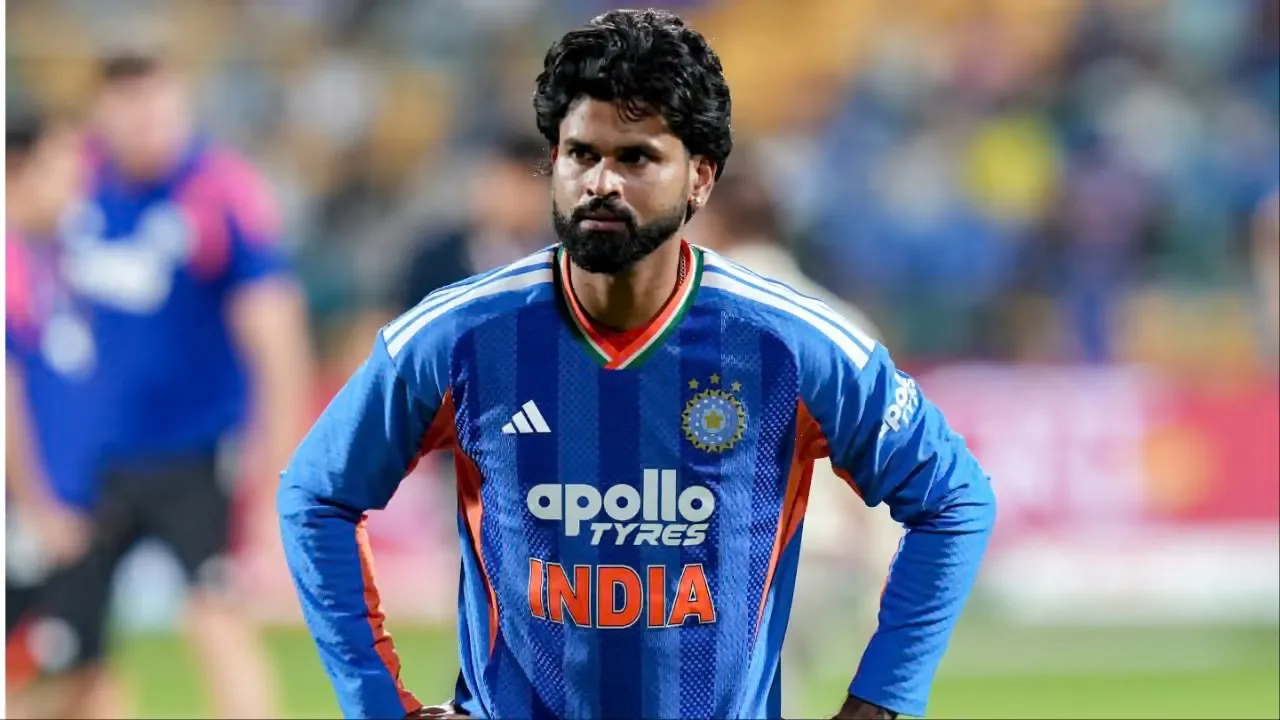
India’s captain, Shreyas Iyer, acknowledged that better bowling performances in the second and fourth T20Is could have changed the results. While India’s batters delivered several strong performances, the bowlers struggled to execute their plans consistently. In modern T20 cricket, scoring heavily is only part of the challenge. Bowlers must maintain discipline under pressure and adapt quickly when opposition batters attack. India will need to address these issues before facing New Zealand, where conditions could make accurate bowling even more important.
India Needs a Reliable All-Rounder
The absence of a player offering the balance of Hardik Pandya has created another challenge for India. Shivam Dube and Nitish Kumar Reddy are being tested as pace-bowling all-rounders, but their contributions have varied. Dube took two wickets in two overs against West Indies in Ranchi, conceding 20 runs, but managed only seven runs with the bat. Reddy scored 21 off 14 balls in Indore, while in Hyderabad he made 41 off 20 deliveries but conceded 39 runs in three overs. India needs both players to deliver more consistent performances with bat and ball.
Finishing Remains a Major Question
Reddy’s Hyderabad innings showed his ability to score quickly, but India still fell short while chasing a demanding target. In contrast, Naman Dhir provided a glimpse of effective finishing in the rain-affected Bengaluru match, smashing an unbeaten 24 off just six balls, including three sixes and a four. India will need similar intent from its lower order in New Zealand. Finishing games often requires batters to score immediately rather than take time to settle, especially when only a few overs remain.
Tilak Varma Faces a New Challenge
Tilak Varma’s changing batting position is another issue India must resolve. Having often batted higher up the order, he is now expected to handle responsibilities at number five or six. He managed just six runs off seven balls in Bengaluru but has said he is mentally prepared to finish matches for India. With Ishan Kishan performing well at number three, Tilak may need to adapt to his new role. India’s challenge in New Zealand will be to combine reliable bowling, effective all-round contributions and a middle order capable of finishing under pressure.