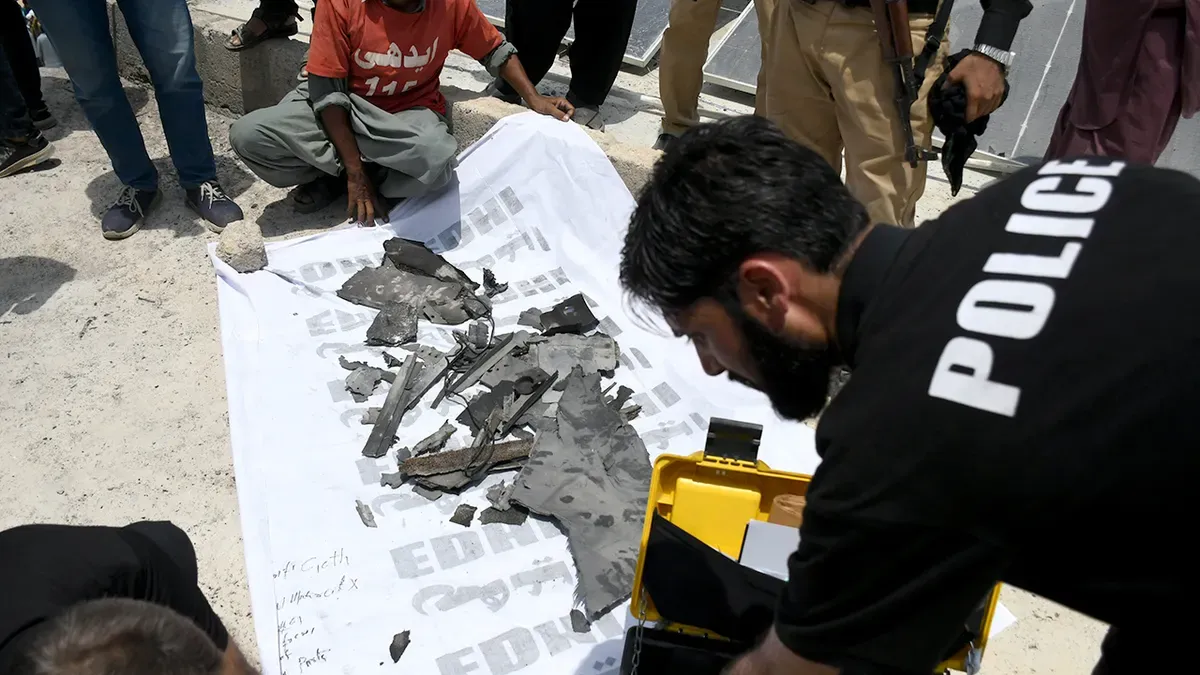
Saudi Arabia is facing serious security and economic concerns following reported missile and drone attacks by Yemen’s Houthi rebels. Reports of strikes targeting oil facilities, airports and military installations have raised questions about the kingdom’s ability to protect critical infrastructure. The conflict is also affecting Yemen, where fighting has intensified around the city of Taiz. Beyond the immediate military threat, the reported attacks could damage Saudi Arabia’s international reputation as a safe destination for business and investment. The situation presents a major challenge for Crown Prince Mohammed bin Salman’s plans to transform the kingdom’s economy.
Investment Summit Postponement Raises Concerns
Saudi Arabia’s Vision 2030 programme aims to reduce dependence on oil by attracting investment into tourism, technology, sports and other industries. Building international confidence is central to that strategy. However, reports say the Future Investment Initiative, widely known as “Davos in the Desert,” has been postponed amid growing security concerns. The event was scheduled for October 26–29, 2026, and was expected to bring together investors and business leaders from around the world. Its reported postponement could complicate efforts to promote Saudi Arabia as a major global investment destination.
Economic Outlook Faces Fresh Uncertainty
The reported attacks have raised concerns about the potential impact on Saudi Arabia’s economic outlook. Figures cited in the report suggest a possible 3.6% decline in gross domestic product in 2026, alongside an estimated 21.8% fall in oil-related activity. These projections underline the uncertainty surrounding the kingdom’s economy, although the figures and their connection to the reported attacks require independent verification. If security concerns persist, companies could reconsider investment decisions, delay projects or demand stronger assurances before committing billions of dollars to long-term developments.
Fighting Intensifies Around Yemen’s Taiz City
The conflict is also escalating inside Yemen, particularly around Taiz, the country’s third-largest city. Houthi forces have reportedly tightened their positions around the city, increasing pressure on government-aligned forces. Reports say Saudi-backed forces have carried out 13 airstrikes against Houthi positions across Taiz governorate. Areas mentioned include the airport, 60th Street, Al-Rubai’i and Dhubab. Saudi-backed forces have also reportedly claimed to have intercepted or brought down seven Houthi drones in Taiz, Bab al-Mandab and Al-Jawf.
Oil Facilities and Airports Reportedly Targeted
Reports have identified the Yanbu oil facility and Shaybah oil field among the latest targets of alleged Houthi attacks. At least three Saudi airports and an airbase have also reportedly faced threats or attacks. Houthi military spokesperson Yahya Saree claimed that the group carried out six major operations over a 48-hour period using ballistic missiles, cruise missiles and drones. Saudi authorities have reportedly issued security alerts for areas including Najran, Riyadh and Al-Kharj. Some government employees and staff at multinational companies in Riyadh were also reportedly instructed to work from home as a precaution.
Casualties and a Timeline of Escalation
The fighting has also caused heavy casualties in Yemen. Yemeni military sources reportedly said a ballistic missile strike on Al-Alam camp in Shabwa killed at least 53 newly recruited soldiers and injured more than 200. Other accounts cited in the report gave different casualty details. The report also describes a series of attacks and retaliatory strikes during October, including a reported attack on Riyadh airport on October 10, Saudi airstrikes in Sana’a and at Ras Isa on October 13, and further reported attacks involving Aramco facilities on October 19–20. If the escalation continues, Saudi Arabia could face mounting pressure to protect its infrastructure while maintaining international investor confidence.