Vitamin Deficiency and Feeling Cold: Feeling cold during the winter season is common, but many people face the problem of cold hands and feet even in normal weather or summer, and they feel colder compared to others. According to experts, behind this is not just the weather, but a deficiency of certain nutrients in the body can also be responsible. So let us know which vitamin deficiencies can be behind feeling cold in normal weather.
Vitamin B12 Deficiency
Deficiency of Vitamin B12 affects the production of red blood cells in the body, which can lead to the problem of anemia. When sufficient oxygen does not reach the body organs, weakness, fatigue, and an feeling sensitivity to cold begin to occur. Apart from this, problems like dizziness, shortness of breath, and a tingling in hands and feet can happen. To overcome Vitamin B12 deficiency, include items like milk, curd, cheese, eggs, fish, and chicken in your diet.
Vitamin B9 (Folate) Deficiency
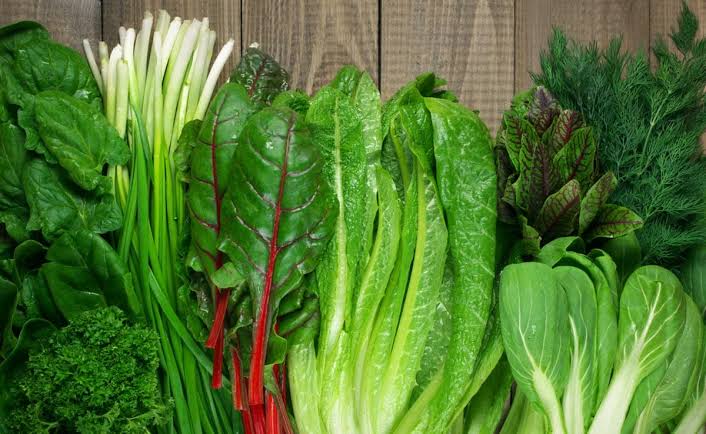
Due to a deficiency of folate in the body as well, adequate healthy red blood cells cannot be formes, due to which a person may feel cold repeatedly. To overcome Vitamin B9 (folate) deficiency, consume spinach, fenugreek leaves, mustard greens, lentils, kidney beans, chickpeas, and seasonal fruits.
Iron Deficiency
Iron deficiency in the body is the most common cause of anemia, which increase the problem of feeling cold. To overcome its deficiency, eat green leafy vegetables, beetroot, jaggery, raisins, pomegranate, soybeans, and pulses. For better iron absorption, Consume Vitamin C rich items along with them.
Who Is At Higher Risk
1. Women
2. Elderly people
3. Underweight people
4. People who eat a poor diet
Do you Always Feel Cold? It Could Be A Deficiency Of These Vitamins
TheFearless
23 Oct 2026 · 2:31 PM IST

Related Stories