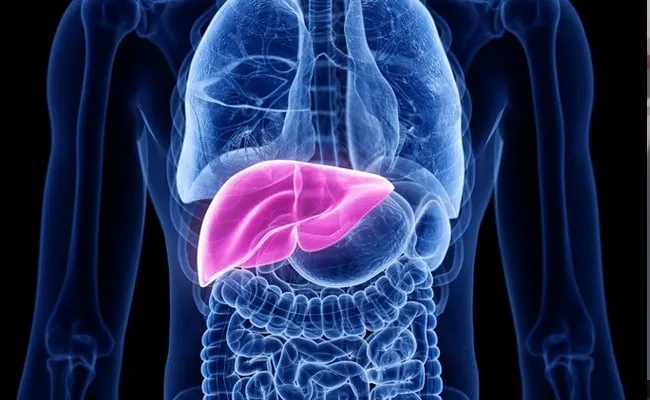
Diabetes is a chronic condition that can affect people at different ages. It occurs when the body cannot produce enough insulin or use it properly, causing blood glucose levels to rise. If blood sugar remains high for a long time, it can increase the risk of heart disease, kidney problems, vision loss and nerve damage. Along with prescribed medicines, a balanced diet and healthy lifestyle can help manage the condition. Gastroenterologist Dr Saurabh Shetty has shared food and drink choices that may support healthier blood sugar levels as part of an overall diabetes management plan.
Healthy Drinks That Can Be Better Choices
Choosing the right drinks is an important part of managing blood sugar. Dr Shetty recommends options such as green tea, matcha, black coffee, plain water and unsweetened sparkling water. These drinks can help reduce the need for sugary beverages when consumed without added sugar. Unsweetened sparkling water contains no added sugar and provides a fizzy alternative to soft drinks. However, people should check product labels because some flavoured drinks contain added sweeteners or sugar. Anyone sensitive to caffeine may also need to limit green tea, matcha and coffee.
Protein-Rich Foods to Include in Your Diet
Protein can help make meals more satisfying and support muscle health. Suitable options include eggs, Greek yoghurt, salmon and other fish, lentils and edamame, which are young soybeans. Adding protein to meals alongside vegetables and fibre-rich foods may help create a balanced diet. The best choices depend on personal preferences, food allergies and other health conditions. People with diabetes who also have kidney disease may need individual advice about how much protein they should consume.
Choose Complex Carbohydrates Instead of Cutting Them Out
Many people assume they must completely eliminate carbohydrates after being diagnosed with diabetes. However, the type and portion size of carbohydrates matter. Refined carbohydrates and sugary foods can cause rapid increases in blood glucose, while fibre-rich complex carbohydrates are generally digested more slowly. Foods such as oats, barley, beans, chickpeas, berries and sweet potatoes can be part of a balanced eating plan. Portion sizes remain important because these foods still contain carbohydrates and can raise blood sugar.
Healthy Fats Can Support a Balanced Diet
Healthy fats are another useful part of a diabetes-friendly eating plan. Dr Shetty recommends extra-virgin olive oil, walnuts, chia seeds, ground flaxseeds and avocados. These foods provide unsaturated fats, and some also supply fibre and other important nutrients. Replacing some saturated fats with unsaturated fats can support heart health, which is particularly important for people living with diabetes. However, fats are calorie-dense, so moderate portions are a sensible choice.
Build a Diet That Works for You
Managing diabetes involves more than choosing individual foods. Regular meals, appropriate portions, physical activity, adequate sleep and taking prescribed medication as directed can all contribute to better blood sugar control. Monitoring glucose levels can also help people understand how different foods affect them. There is no single food or drink that can cure diabetes or replace medical treatment. People who regularly experience high readings should consult their healthcare professional for personalised dietary advice and a review of their treatment plan.