Look at beer and wine bottles in any shop, and you will notice that many are green, brown or other dark shades. This is not just about packaging or appearance. One major reason is the effect of light on the drink. Beer contains compounds from hops that can react with light, especially ultraviolet and blue-violet rays. This reaction can produce a sulphur compound responsible for a strong, unpleasant smell. The change is known as “light-struck” or “skunked” beer. In some conditions, exposure to bright sunlight can trigger this process quickly, affecting the drink’s aroma and flavour.
Why Brown Bottles Offer Better Protection
Brown or amber glass is widely used for beer because it blocks a large portion of harmful ultraviolet and blue-violet light. This helps protect the drink from light-related changes and preserves its flavour for longer. The colour of glass depends on the materials used during manufacturing. Iron and other additives can give glass its brown shade and change how much light passes through it. Brown bottles generally offer better protection against light damage than green or clear bottles. However, the bottle colour alone cannot guarantee freshness, as storage conditions and the product’s formulation also matter.
The Science Behind Green Bottles
Green glass has a long history in the drinks industry. In earlier times, impurities such as iron in the materials used to make glass often gave it a greenish appearance. Manufacturers can also use specific compounds to produce darker green shades. Green glass provides some protection against ultraviolet light, but it is generally less effective than brown glass at blocking the wavelengths that can damage beer. As a result, beer in green bottles may be more vulnerable to developing an unpleasant smell when exposed to light. Despite this, many brands continue using green bottles because the colour has become part of their identity.
Why Wine Bottles Are Often Dark Green
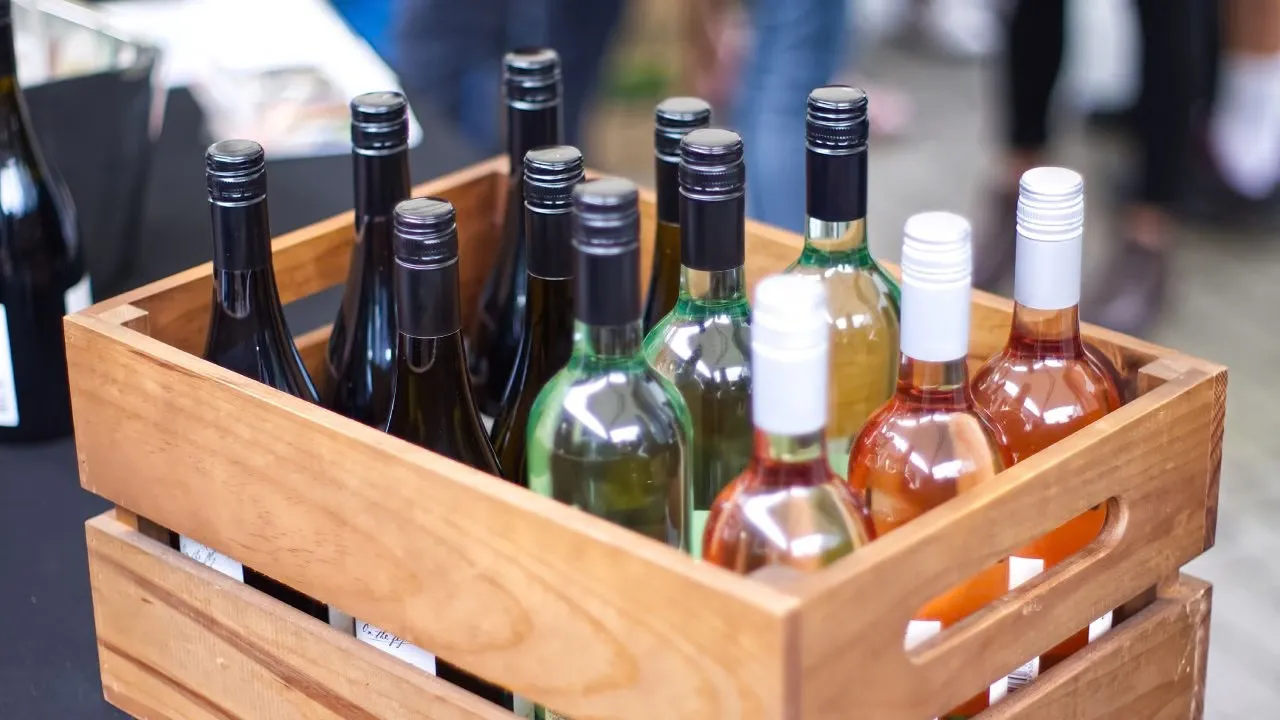
Dark green bottles are commonly associated with wine, although wine packaging varies depending on the type and producer. Light can affect certain wines, particularly delicate white and sparkling varieties, and may change their aroma or flavour. Dark glass helps reduce exposure to damaging light and supports better storage. The traditional use of green bottles is also linked to the history of glassmaking and established packaging practices. Different wines have different storage needs, so bottle colour is only one factor in protecting quality. Keeping wine away from direct sunlight and excessive heat remains important.
Why Vodka Is Often Sold in Clear Bottles
Vodka is frequently sold in transparent glass bottles because the drink is colourless and brands often want its clear appearance to be visible. Clear packaging also allows manufacturers to present the product’s appearance as part of its identity. However, it would be inaccurate to say that vodka cannot be affected by light or that clear bottles automatically keep it safe from deterioration. The effect of light depends on the drink’s composition, packaging and storage conditions. Some vodka brands also use coloured or opaque bottles for design and branding purposes.
Bottle Colour Depends on Science and Branding
The colours of alcohol bottles reflect a combination of science, tradition and marketing. Brown glass generally offers stronger protection against light-sensitive beer, while green glass provides some protection and remains popular because of its traditional association with beer and wine brands. Clear bottles make the colourless appearance of drinks such as vodka visible to consumers. Yet packaging choices are not based on science alone. Brand identity, appearance, cost and established consumer expectations also influence the final design. Whatever the colour, storing light-sensitive drinks away from direct sunlight can help protect their quality.