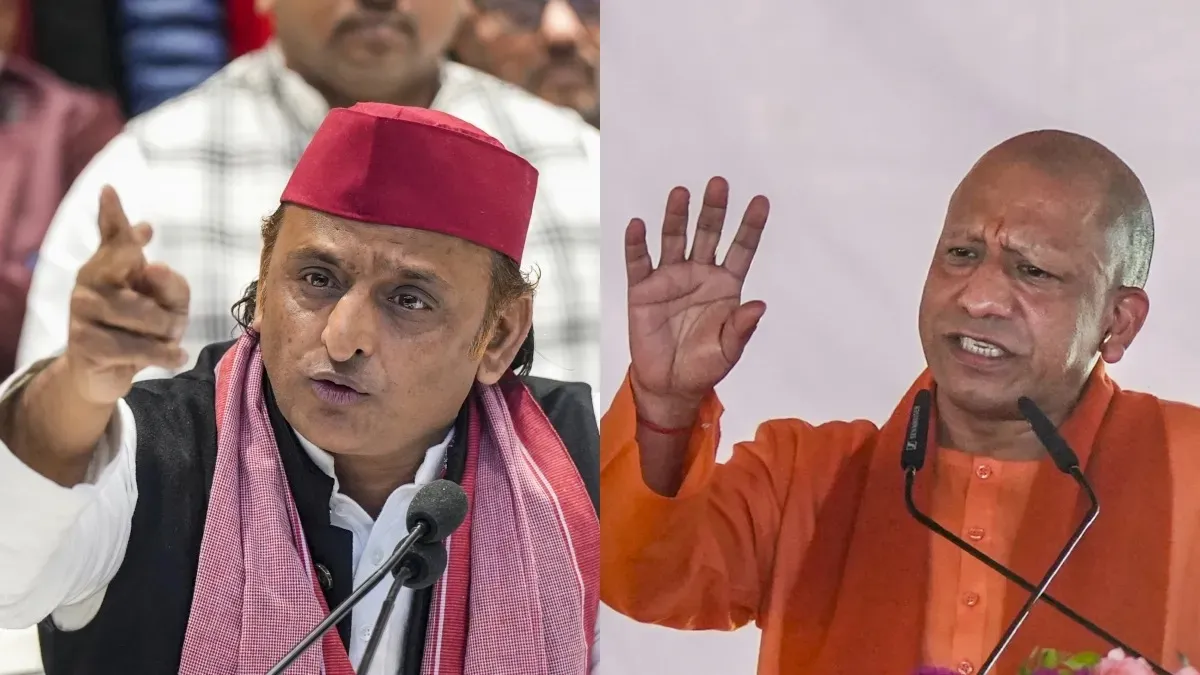
As Uttar Pradesh prepares for the 2027 Assembly elections, the BJP and Samajwadi Party are focusing on one crucial voter group: non-Yadav OBC communities. Kurmis, Mauryas, Kushwahas, Shakyas, Sainis, Lodhs, Nishads, Rajbhars and several other backward communities could play a decisive role in the next election. OBCs are estimated to account for around 40–45% of the state's population, with non-Yadav groups forming a large and politically diverse section. While Akhilesh Yadav is trying to expand his PDA strategy, the BJP is working to protect its traditional social support base.
Why These Communities Matter
Non-Yadav OBC voters are not a single political bloc. Different communities have influence in different regions. Kurmis have a strong presence across Awadh, central UP and parts of eastern UP. Maurya, Kushwaha, Shakya and Saini communities are influential in several districts of central UP, Bundelkhand and eastern UP. Nishad, Mallah and Kevat voters matter in river-belt constituencies, while Rajbhars have a significant presence in eastern UP, particularly around Ghazipur, Mau, Azamgarh and Ballia. Smaller groups such as Pal, Baghel, Kashyap, Prajapati and Teli-Sahu also contribute to local electoral calculations.
BJP's Winning Formula
Since the 2014 Lok Sabha elections, the BJP has built a broad coalition among non-Yadav OBC communities. Its strategy involved giving smaller caste groups political representation and joining hands with regional parties. Apna Dal (Soneylal) helped the BJP reach Kurmi voters, the Nishad Party strengthened its outreach among Nishad communities, and the Suheldev Bharatiya Samaj Party helped connect with Rajbhar voters. This strategy contributed to the BJP's major victories in 2017 and 2019. According to CSDS estimates cited in the report, around 60% of non-Yadav OBC voters supported the BJP in the 2017 Assembly elections.
2024 Results Changed the Equation
The 2024 Lok Sabha elections indicated that the BJP's hold over some non-Yadav OBC groups had weakened. According to the CSDS-Lokniti post-poll survey, BJP+ support among non-Yadav OBC voters fell from 72% in 2019 to 59% in 2024. Among Kurmi-Koeri voters, its support dropped from 80% to 61%. The INDIA alliance received 34% of votes from this group. The Samajwadi Party benefited from its focus on caste representation, reservation and the caste census.
Akhilesh's PDA Strategy
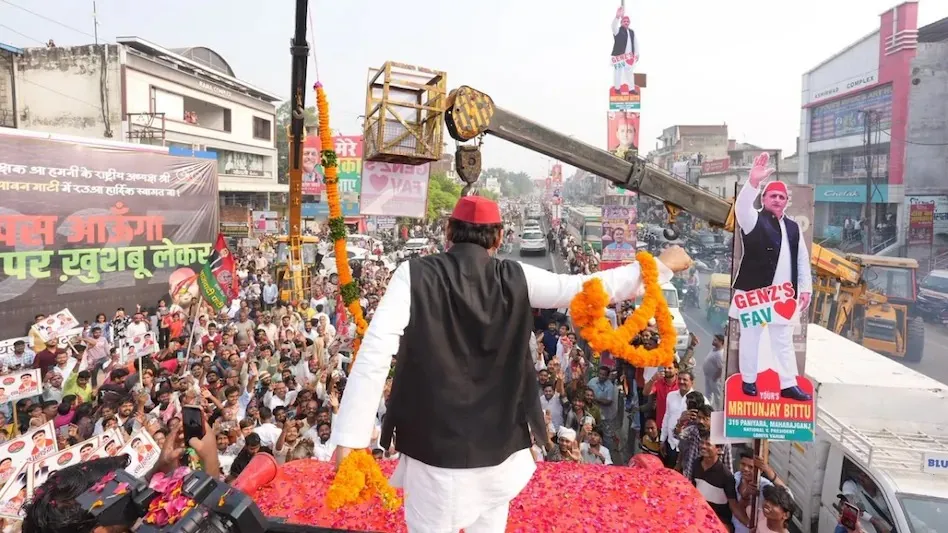
Akhilesh Yadav is now trying to turn the PDA formula Backward Classes, Dalits and Minorities into a wider electoral coalition. In the 2024 Lok Sabha elections, the SP gave tickets to candidates from several non-Yadav OBC communities instead of relying mainly on its traditional Yadav support base. The party won 37 of the 62 seats it contested. Leaders such as Babu Singh Kushwaha, Ram Achal Rajbhar and Lalji Verma have also become part of its wider political outreach. The challenge is to convert this support into a strong booth-level organisation for 2027.
BJP's New Strategy for 2027
The BJP is working to reconnect with around 75 major OBC community groups through its OBC Morcha and family outreach programmes. Its alliance partners remain important to this effort. Apna Dal (Soneylal), the Nishad Party, SBSP and the Rashtriya Lok Dal help the BJP reach specific social groups and regions. The party is also focusing on caste representation within its organisation. For the BJP, the challenge is to rebuild support after the 2024 setback. For Akhilesh, it is to keep the PDA coalition united beyond the Lok Sabha elections. The non-Yadav OBC vote could ultimately shape the road to power in Uttar Pradesh in 2027.