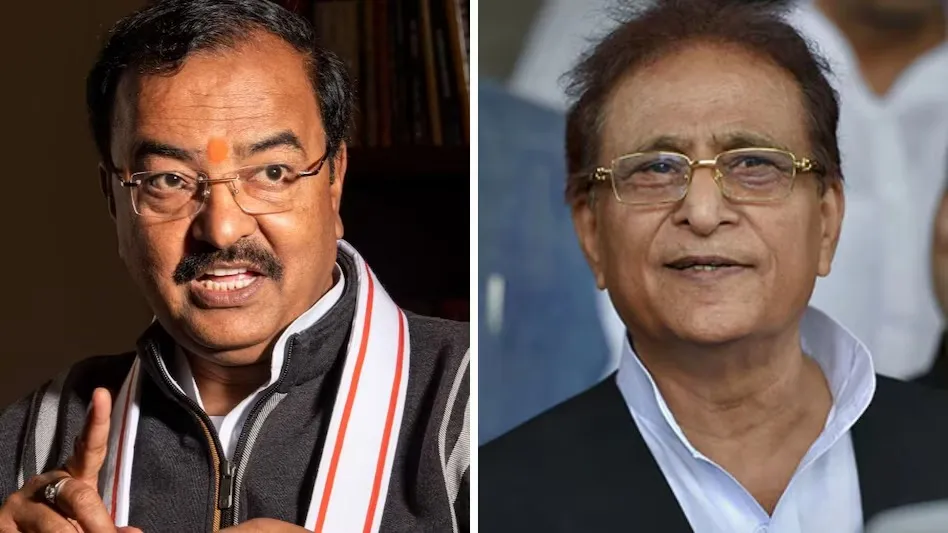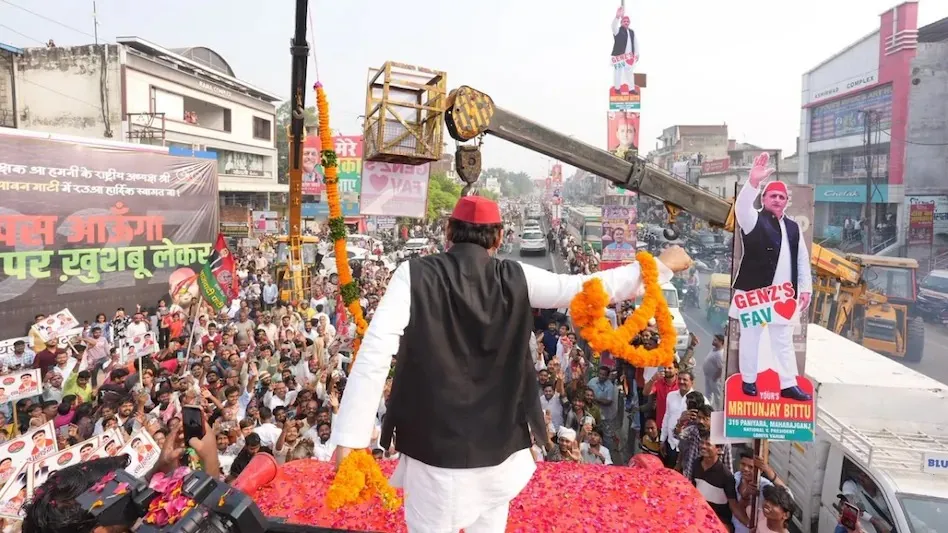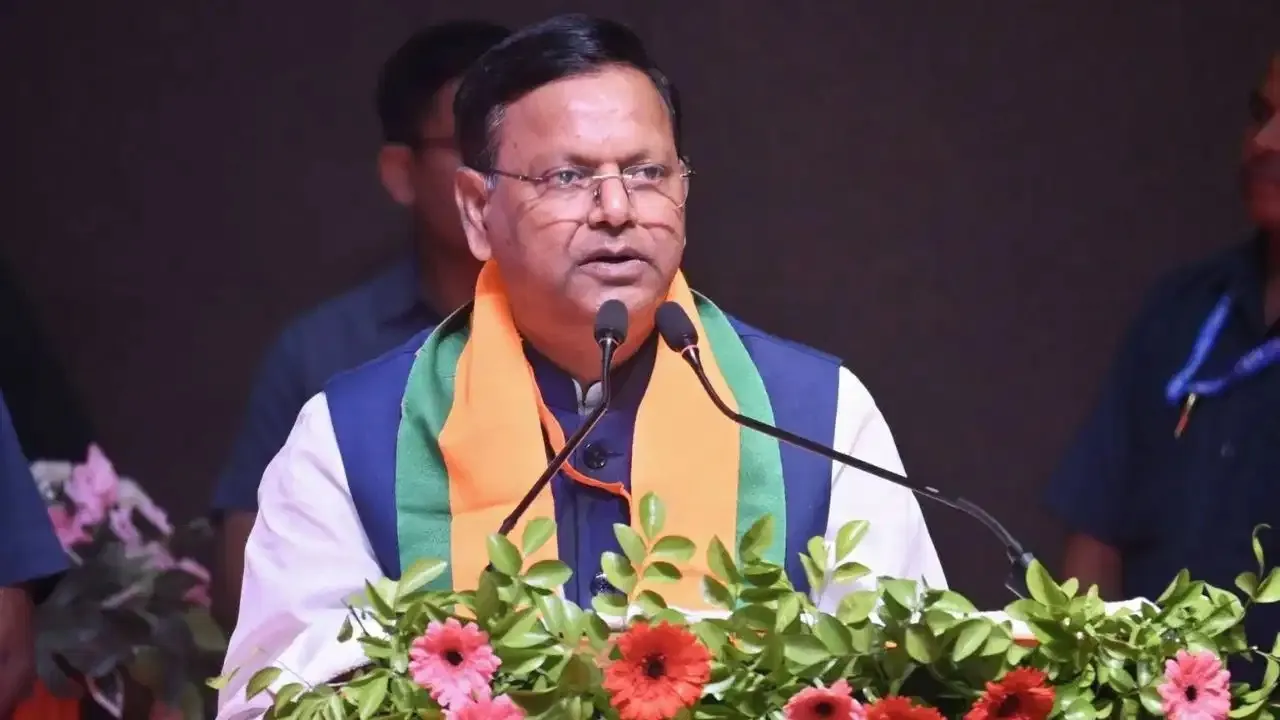
Political activity is picking up in Uttar Pradesh ahead of the 2027 Assembly elections. Both the ruling BJP and opposition parties are holding meetings and preparing their strategies. Amid this, UP BJP president Pankaj Chaudhary’s statement that the organisation is supreme has triggered political discussion. His remarks are being seen as a message to party leaders who may be unhappy with the organisation or considering a separate political path.
‘No Leader Is Bigger Than the Party’
Pankaj Chaudhary said the BJP forms governments on the strength of its organisation. He argued that the party is based on an ideology and that leaders who separate from it cannot survive politically. He also questioned the political existence of those who left the BJP and formed their own parties. According to him, the organisation and its ideology are more important than any individual leader.
Message Repeated at Mathura Meeting
Chaudhary repeated his position in Mathura, where he attended a two-day BJP meeting. He said he had reached his current position because of the organisation and credited party workers with taking the government's work to the people. He added that anyone who moves away from the party would lose their political standing. His repeated remarks have raised questions about whether the message was aimed at any particular leader within the BJP.
Keshav Maurya’s Warning to Workers
Deputy Chief Minister Keshav Prasad Maurya had also given a message to party workers on November 13. In the presence of Chief Minister Yogi Adityanath and Pankaj Chaudhary, Maurya urged workers to avoid internal rivalries and the tendency to target one another. He said that if the government itself does not remain in power, party positions and prestige will also be at risk. He asked workers to put aside personal differences and focus on protecting the government.
Internal Differences Under Discussion
A BJP organisational meeting was also held in Lucknow on Friday. Discussions focused on the Special Intensive Revision (SIR) and strengthening the party at the booth level. Maurya's remarks reportedly reflected concerns about dissatisfaction and internal competition within the party. According to sources cited in the report, Chaudhary had earlier compared leaders who remain in one position or win repeatedly from the same seat to a banyan tree, which others begin trying to cut or trim. His latest statement has added to speculation about internal equations.
Kalyan Singh and Uma Bharti Examples
Chaudhary’s remarks have also brought up the examples of former BJP leaders Kalyan Singh and Uma Bharti. Kalyan Singh formed the Rashtriya Kranti Party in 1999 after differences with the BJP leadership. He later returned to the BJP and subsequently launched the Jan Kranti Party in 2010, which merged with the BJP in 2013. Uma Bharti formed the Bharatiya Janshakti Party after leaving the BJP in 2006. Her party won only six of Madhya Pradesh's 230 Assembly seats in 2008. She returned to the BJP in June 2011. These examples have renewed questions about the political message behind Chaudhary's remarks.