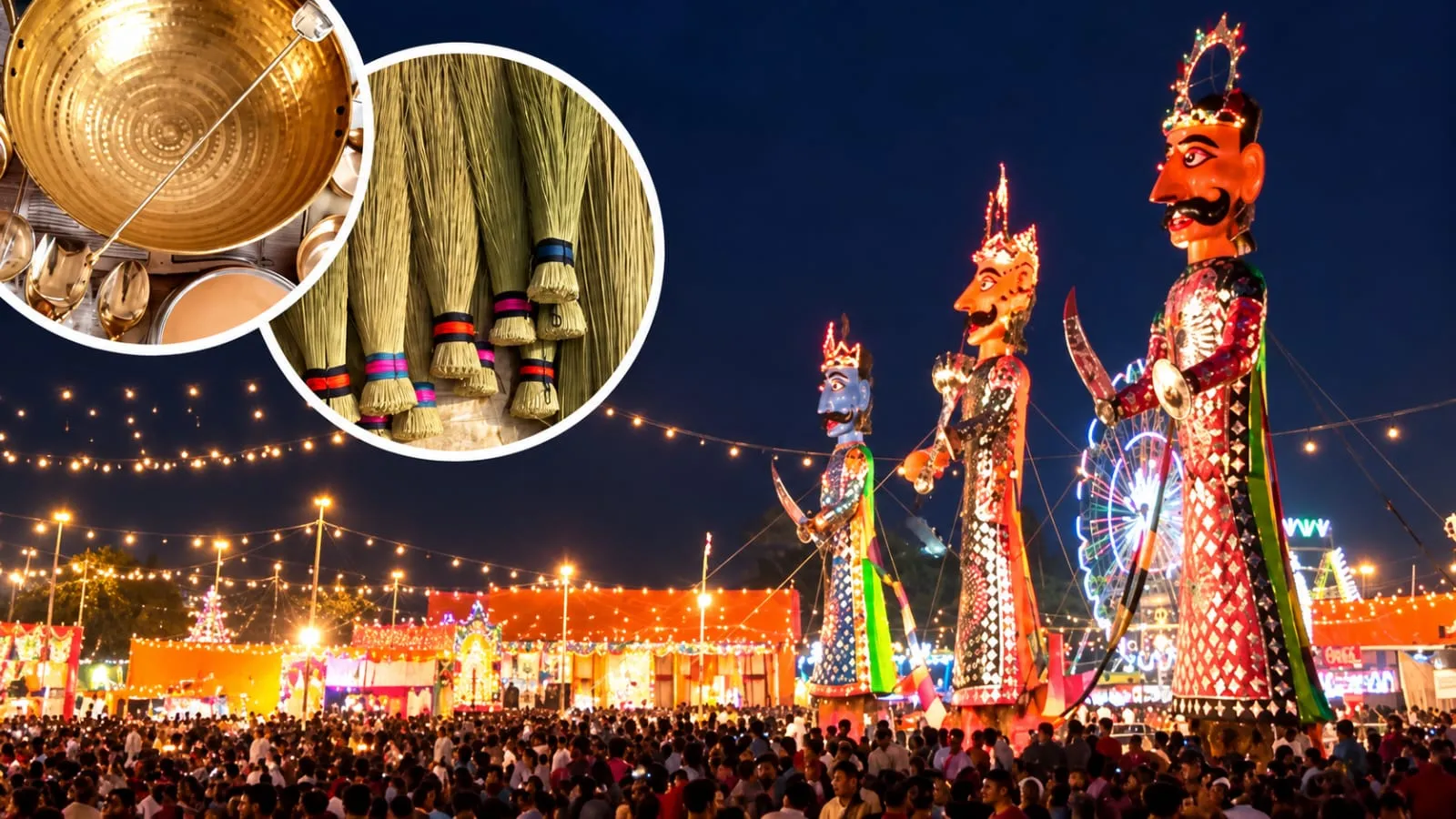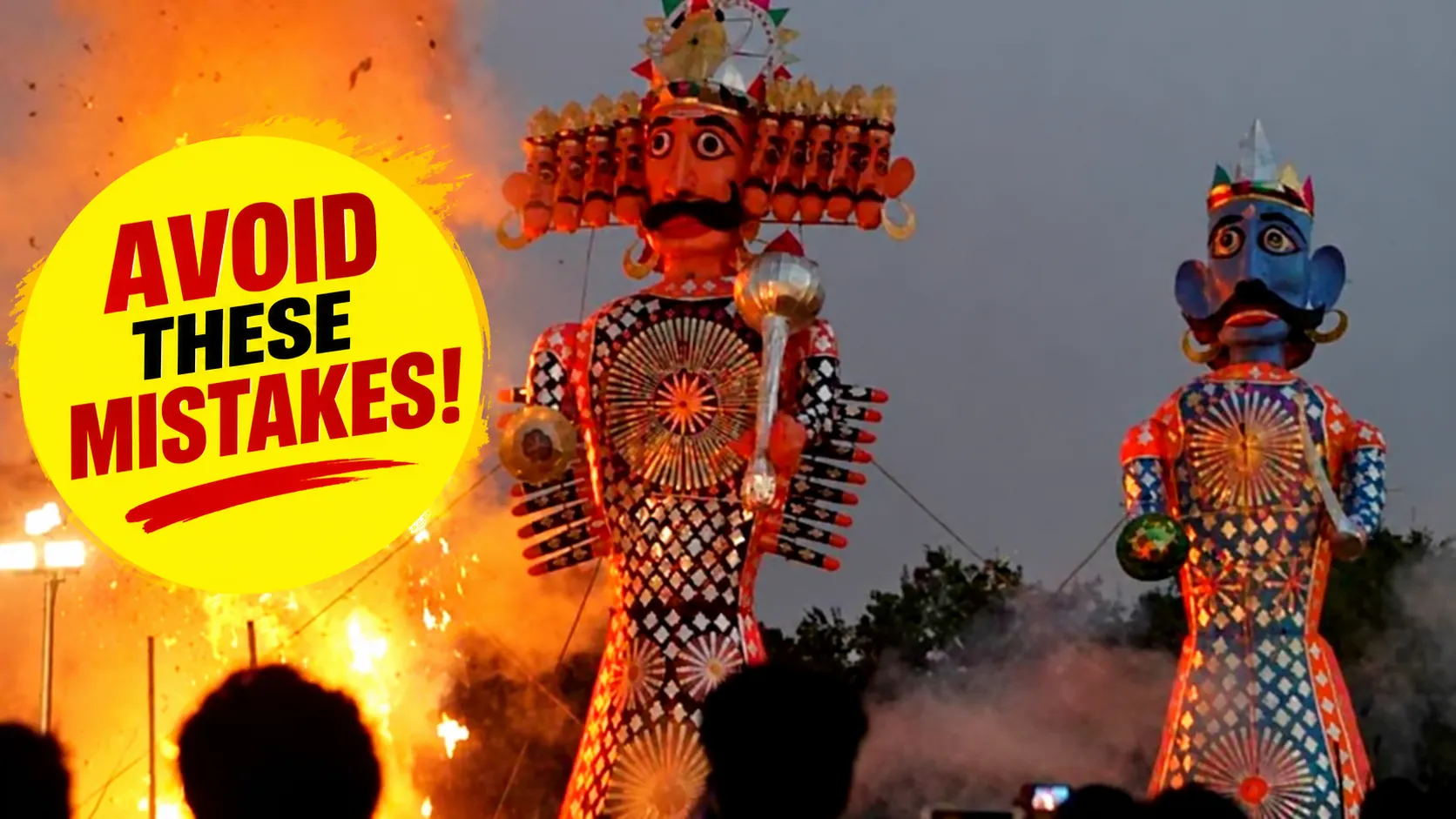
Dussehra, also known as Vijayadashami, is one of the major festivals celebrated by Hindus. In 2026, the festival falls on October 20. It symbolises the victory of good over evil and truth over falsehood. According to the Ramayana, Lord Rama defeated Ravana on this day, while Goddess Durga defeated the demon Mahishasura after nine days of battle. People celebrate the occasion by performing prayers, organising Ramlila events and burning effigies of Ravana, Meghnad and Kumbhakarna. Religious traditions also associate the day with worshipping weapons and tools.
Avoid Tamasic Food on Dussehra
According to certain religious beliefs, people should avoid tamasic food on Vijayadashami. This includes meat, fish, eggs, onion, garlic and alcoholic drinks. Many devotees prefer to eat vegetarian food and maintain a peaceful atmosphere during the festival. The practice is linked to the belief that festivals dedicated to religious worship should be observed with purity and self-discipline. However, customs can vary between families and regions. Those observing traditional practices often choose their meals according to their family’s religious beliefs.
Do Not Harm Animals or Nature
Religious traditions also encourage people to avoid harming animals, birds and other living creatures on Dussehra. Hurting or mistreating animals is considered inappropriate during the festival, which celebrates the victory of righteousness. Some traditions also emphasise respecting trees, plants and nature. The broader message is to show compassion towards living beings and avoid unnecessary harm. For many devotees, following these values is an important way to mark the festival and reflect its message of goodness and responsible behaviour.
Avoid Arguments, Insults and Harsh Words
Dussehra is traditionally associated with positivity, peace and the victory of good over evil. According to religious customs, people should avoid quarrels, arguments and insulting others on this day. Showing disrespect towards women, elderly people or anyone else is also discouraged. Many families consider it an opportunity to resolve disagreements, maintain harmony and spend time together peacefully. Speaking politely and treating others with respect are among the values associated with the festival. These practices reflect the larger message of choosing good conduct over anger and hostility.
Be Careful About Certain Donations
Some traditional beliefs advise people to avoid donating turmeric, leather items and torn or old clothes on Dussehra. These customs are not universal, and practices may differ according to regional traditions and family beliefs. The festival is also considered an auspicious occasion for charity and helping those in need. People who wish to donate can choose useful items according to their customs and the needs of recipients. The emphasis in many traditions remains on giving thoughtfully and performing charitable acts with good intentions.
Avoid Lending Certain Items in the Evening
According to another traditional belief, people should avoid giving away items such as needles, salt and sugar during the evening on Dussehra. These practices form part of popular customs followed in some households, rather than universal religious rules. The day is also associated with the worship of weapons, tools and vehicles, particularly among people who use them in their work. Cleaning and worshipping these items is considered auspicious in several traditions. Ultimately, Dussehra is celebrated as a reminder that truth, courage and good conduct can overcome evil.